Energy trading risk management in volatile power and gas markets

a[data-rs-seo-link]{text-decoration:underline!important;color:#1a56db!important;cursor:pointer!important;}a[data-rs-seo-link]{text-decoration:underline!important;color:#1a56db!important;cursor:pointer!important;}
Why energy trading risk management is different
Energy trading risk management is the discipline of controlling losses, liquidity pressure and compliance failures across physical energy markets and financial derivatives. It is more than a hedge book or a daily value-at-risk report. In power and gas, prices can react to weather, storage levels, fuel availability, transmission constraints, pipeline capacity, outages, margin calls and market rules. A workable risk framework therefore has to connect trading strategy with physical operations, collateral, credit limits, model validation and regulatory conduct.
The practical issue for traders is that a position can look hedged in price terms and still be exposed to location, timing, volume or delivery risk. A gas producer selling futures may retain basis risk at its local hub. A power retailer may hedge annual load but remain exposed to real-time price spikes during a heat wave. A renewable generator may have a long-term offtake agreement and still face shape risk when production does not match contracted delivery hours. For broader coverage of trading controls, visit the Trading and Risk section.
The physical market creates the financial risk
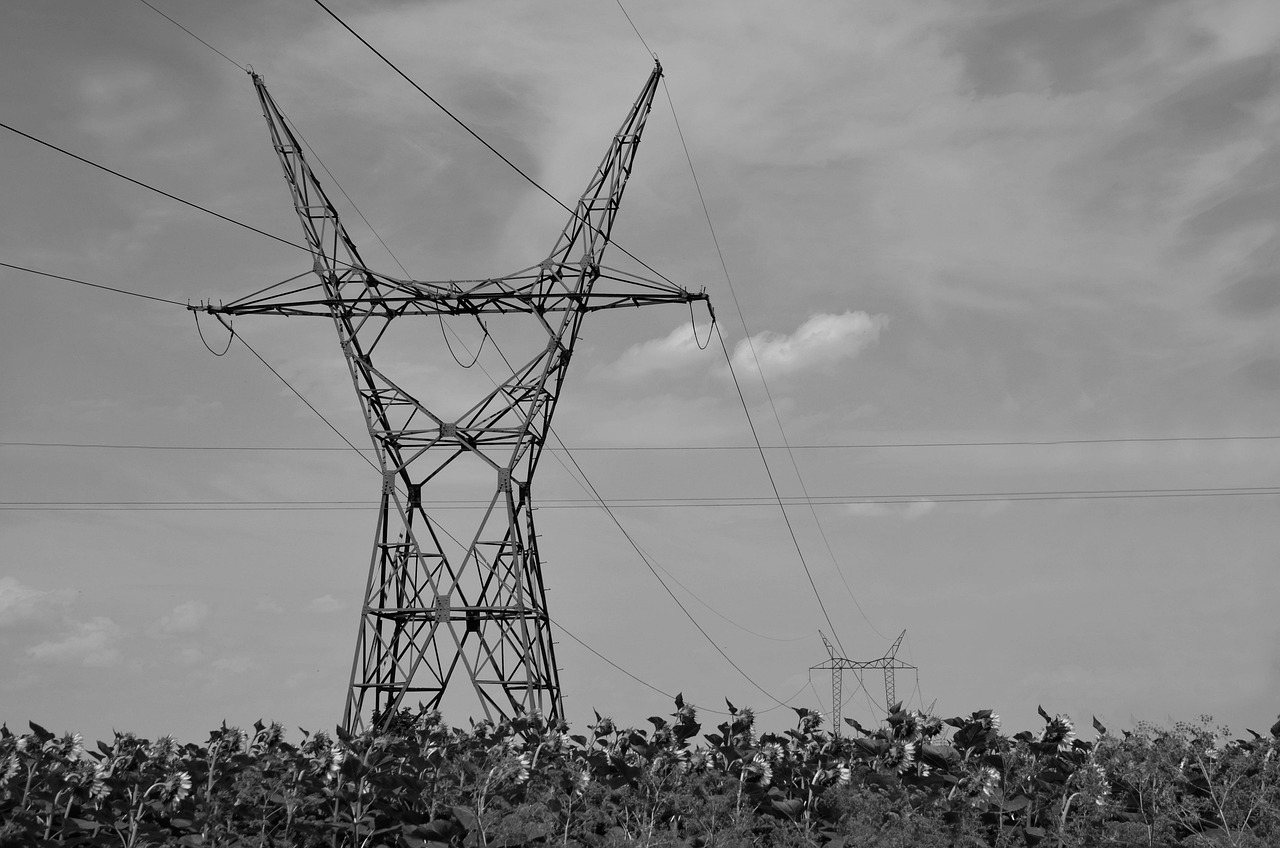
Energy risk starts with the physical system. Electricity is produced and consumed in real time, and large-scale storage has historically been limited compared with oil or natural gas. That makes location and timing more important than in many financial markets. In U.S. organized power markets, the Federal Energy Regulatory Commission explains that many regions rely on Regional Transmission Organizations or Independent System Operators, with day-ahead and real-time energy markets. FERC’s introductory material also notes that day-ahead schedules depend on demand forecasts, weather, weekdays, planned outages and transmission congestion.
Natural gas has more storage flexibility than electricity, but it still carries seasonal and infrastructure risk. The U.S. Energy Information Administration describes natural gas futures as standardized contracts that allow producers, consumers and financial traders to manage exposure by locking in prices for future delivery or sale. The EIA also notes that most natural gas futures are traded on NYMEX and ICE, while only a small share of NYMEX contracts ultimately move to physical delivery.
Recent market history shows why this distinction matters. The EIA reported that Henry Hub front-month futures volatility moved down through the first half of 2025 after a recent high in the fourth quarter of 2024. The same report also highlighted sharp winter stress: 30-day historical volatility reached 102% on February 3, 2025, after a January polar vortex and large storage withdrawals. By the end of the second quarter of 2025, inventories had moved above the prior five-year average, helping ease volatility. Volatility does not stay elevated all the time, but it can change quickly when weather and inventories shift.
A risk map for energy trading desks
A useful framework starts by separating risks that are often bundled together. Price risk is only one layer. In energy trading, a complete risk map should identify what can go wrong, how quickly it can affect cash and whether the exposure can be hedged in available markets.
| Risk type | How it appears in energy trading | Common controls |
|---|---|---|
| Price and volatility risk | Outright exposure to gas, power, oil, emissions or related futures and swaps | Position limits, hedge ratios, options analysis, VaR and stress testing |
| Basis and location risk | Local hub prices diverge from benchmark futures or congestion affects delivered power prices | Basis limits, location-level P&L, congestion scenarios and hedge effectiveness reviews |
| Volume and shape risk | Load, production or renewable generation differs from forecast across hours, days or seasons | Weather models, load forecasting, hourly stress tests and flexible hedging tools |
| Liquidity and margin risk | Bid-ask spreads widen, clearing margin rises or collateral must be posted quickly | Liquidity buffers, collateral forecasts, approved instruments and margin call playbooks |
| Credit and counterparty risk | A bilateral counterparty fails to perform or credit support becomes inadequate | Credit limits, netting agreements, collateral triggers and counterparty concentration monitoring |
| Operational and model risk | Bad deal capture, incorrect curves, model errors or settlement failures distort exposure | Trade confirmations, independent price checks, model validation and segregation of duties |
| Regulatory and conduct risk | Trading behavior, communications or reporting creates market manipulation or compliance concerns | Surveillance, training, records retention, escalation procedures and independent compliance review |
This table is intentionally practical. It helps risk teams avoid a common mistake: measuring the easiest number instead of the most dangerous exposure. A daily P&L report may show that the benchmark hedge worked, while a separate location or congestion exposure is building in the background.
Metrics that matter beyond value at risk
Value at risk can be useful because it summarizes expected loss under a statistical confidence level. In energy markets, however, VaR should not stand alone. It may understate exposure when the historical sample is too calm, when products are illiquid or when prices can gap because of operational constraints. A more resilient framework combines VaR with stress testing, scenario analysis and liquidity monitoring.
Stress tests should be specific enough to challenge actual positions. For a gas book, examples include a polar vortex, a pipeline outage, a storage surprise, a sudden LNG demand shift or a steep basis move between Henry Hub and a regional hub. For a power book, scenarios may include a heat wave, a major generator outage, congestion at a transmission interface, low renewable output during high demand or a real-time price spike after a day-ahead hedge has been set.
Risk managers also need to track cash requirements. A hedge that is economically sound can still create liquidity stress if exchange margins rise or if mark-to-market losses arrive before physical revenue is collected. The CFTC’s Market Risk Advisory Committee agenda in 2024 included topics such as central counterparty risk, margin transparency, margin procyclicality and margin calls. That regulatory attention reflects a practical issue for energy traders: collateral can become a binding constraint during volatility, even when a position is intended as a hedge.
Hedging is a process, not a single trade
Energy hedging usually begins with a commercial exposure: production, load, fuel procurement, storage, transportation, emissions obligations or a contract indexed to market prices. The next step is to decide what part of that exposure is hedgeable. The answer may differ by product, location and tenor.
Common tools include exchange-traded futures and options, cleared swaps, bilateral forwards, physical supply agreements, tolling arrangements, financial transmission rights, power purchase agreements and structured contracts. None of these tools removes every risk. Futures can reduce benchmark price exposure but leave basis risk. Options can cap or floor price outcomes, but they require premiums and careful sensitivity analysis. Long-term contracts can stabilize revenue or cost, but they may introduce credit exposure, settlement complexity or volume mismatch.
Good hedging discipline asks five questions before the trade is approved:
- What exact exposure is being hedged: price, basis, shape, volume, congestion, margin or credit?
- Does the hedge instrument move with the exposure under normal and stressed conditions?
- What residual risk remains after the hedge is placed?
- How much liquidity or collateral could the hedge require during an adverse market move?
- Who has authority to rebalance, unwind or increase the hedge if market conditions change?
These questions matter because hedge effectiveness is not static. A hedge that worked when inventories were balanced may behave differently during a storage shortage. A power hedge that matched expected load may fail when demand shifts from mild weather to extreme heat. A renewable hedge may carry hourly shape risk even when annual output appears aligned.
Governance and compliance cannot be separated from risk
Energy trading is heavily rule-driven. FERC states that fraud and market manipulation pose a significant threat to the markets it oversees and identifies such conduct as an enforcement priority. Its anti-manipulation framework applies to conduct connected with jurisdictional electric energy, natural gas, transmission or transportation transactions, including deceptive schemes, material misstatements or omissions, and practices that operate as fraud or deceit. See also: Blockchain Technology.
For trading desks, risk management must include conduct controls, not only quantitative controls. A desk may be within market risk limits and still create regulatory exposure through misleading communications, uneconomic physical trades designed to benefit financial positions, false reporting, poor documentation or failure to follow market rules. Surveillance should therefore consider trade purpose, order behavior, communications, position concentrations and links between physical and financial books.
Governance should be clear before volatility arrives. A sound policy defines permitted products, approved markets, trader authorities, stop-loss rules, model ownership, independent price verification, exception handling and escalation paths. Risk reports should be understandable to senior management, not just quants and schedulers. If a report shows a large basis exposure, management should know whether that exposure is intentional, hedgeable, collateral-intensive or tied to a physical obligation.
Transition, weather and infrastructure risk are now central
Energy transition does not remove trading risk; it changes its shape. A May 2025 CFTC Energy and Environmental Markets Advisory Committee subcommittee report emphasized several themes relevant to risk managers: infrastructure constraints contribute to physical price volatility, extreme weather can strain infrastructure, the energy transition increases demand and policy uncertainty, and derivatives remain an important tool for risk management. The report also noted that volatility in physical markets can be transmitted to derivatives markets.
That connection matters for both traditional and newer products. Renewable generation, batteries, carbon markets, renewable energy certificates and voluntary carbon credit derivatives may introduce data-quality, methodology, delivery and disclosure risks alongside ordinary market risk. In carbon-related instruments, traders must pay attention to product design, market integrity and claims about environmental attributes. In power markets, rising renewable penetration may reduce fuel costs in some hours while increasing the importance of ramping, congestion, storage and scarcity pricing in others.
The main challenge is not choosing between old and new energy risk models. It is integrating them. A gas desk, a power desk and a carbon desk may sit in different business units, but the same weather event, policy change or infrastructure outage can affect all three. Risk systems that treat them as unrelated books may miss concentration risk.
A practical checklist for stronger controls
Energy trading firms, utilities, producers and financial participants can strengthen controls with a checklist that links strategy to daily execution:
- Define the commercial objective. Separate hedging, optimization and speculative activity in policy and reporting.
- Map physical exposures first. Identify assets, contracts, delivery points, storage rights, transportation paths and operational constraints.
- Measure residual risk after hedging. Track benchmark, basis, volume, timing, credit and liquidity exposure separately.
- Use stress tests that match the book. Include weather shocks, outages, margin spikes, liquidity gaps and failed counterparties.
- Monitor collateral daily. Forecast margin requirements under stressed prices, not only current exchange levels.
- Validate models and curves. Independent review is especially important for illiquid locations, structured contracts and long-dated positions.
- Document trade purpose. Clear records help distinguish legitimate hedging or optimization from questionable conduct.
- Escalate exceptions early. A small breach in a fast market can become a large liquidity problem if ignored.
The strongest frameworks are not designed to stop all risk taking. Energy markets exist because producers, consumers and financial intermediaries need to transfer risk. The goal is to make sure risk is understood, priced, authorized, funded and monitored before market stress exposes weak points.
Frequently asked questions
What is energy trading risk management?
It is the process of identifying, measuring and controlling the financial, physical, liquidity, credit, operational and regulatory risks that arise when trading power, gas, oil, emissions or related derivatives. It combines market analytics with governance, collateral planning and compliance controls.
Why is energy risk harder than ordinary financial market risk?
Energy markets are tied to physical delivery systems. Weather, storage, outages, pipeline limits, grid congestion and market rules can all affect prices. That means a trader must manage not only benchmark price movement but also location, timing, volume and delivery exposure.
Are futures enough to hedge energy exposure?
Often they are not. Futures can reduce benchmark price risk, but they may leave basis risk, shape risk, volume risk and liquidity risk. Effective hedging usually requires a mix of instruments and a clear understanding of how the hedge behaves under stress.
How should traders manage margin risk?
Traders should forecast collateral needs under adverse price moves, monitor liquidity buffers, understand clearing and bilateral margin rules, and define who can approve additional funding or position changes. Margin planning should be part of the trade approval process, not an afterthought.
What role does compliance play in energy trading risk?
Compliance is central because energy markets are subject to anti-manipulation, reporting and market conduct rules. Risk teams should monitor trade purpose, communications, order behavior, market rule compliance and links between physical and financial positions.